

















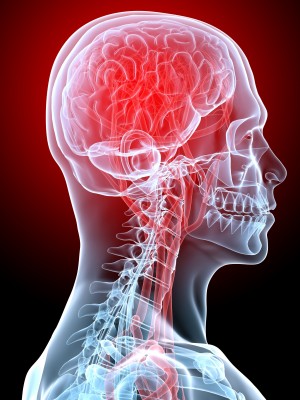
New research is increasingly finding that not only are many cognitive disorders such as Alzheimer’s and other forms of dementia related to inflammation among brain tissues, but classic mental diseases such as schizophrenia and depression may also be connected to brain inflammation.
Recent research from Japan’s Kyushu University Medical School and Saga University have been revealing that many mental disorders are produced by inflammation involving the microglia cells of the brain.
What are microglia?
The microglia are immune cells categorized as macophages, but they are focused upon the health of the central nervous system – particularly the brain and spine. Microglia roam the neurons of these areas in search for toxins, intruders and possible infections.
Particularly at issue in cognitive issues such as dementia and Alzheimer’s disease is the build up of amyloid plaque among brain cells. The microglia are the immune cells that prevent and clean up plaque build up among brain cells.
When the microglia populations are damaged or otherwise altered, the brain and CNS becomes increasingly susceptible to mental disorders such as dementia, schizophrenia, depression and mental fatigue.
Neuroinflammation and microglia
Neuroinflammation is the result of damage among brain cells. Healthy microglia populations are focused upon preventing inflammation among neurons, in turn preventing damage to brain cells.
However, when brain cells are damaged, microglia work harder to repair the damage by producing a variety of inflammatory factors. The damage to neurons, evidenced by these inflammatory factors, hamper the brain’s function.
Like other types of macrophages, the microglia are formed within the bone marrow. Once they migrate to the brain, they differentiate into particular responsibilities and different regions. Some microglia are focused on infections, others are focused upon toxins or damaged cells. Others stimulate the repair of brain tissues.
Plaque and neuroinflammation
The build-up of plaque among brain cells – connected to dementia – stimulates the microglia as they work to try to remove the damage. Damage from oxidative stress and glycation byproducts have been linked to this build up of plaque among brain cells.
Research by Dr. Akira Monji and associates has connected mental disorders such as schizophrenia, depressive states and cognitive issues to these increases in microglia inflammatory factors such as nitric oxide and cytokines. When the microglia have rapidly expanded in the face of damage to brain cells, they produce these inflammatory factors. Dr. Monji’s research has shown that the brain tissues of schizophrenia, depression and dementia patients have increased levels of these microglia inflammatory factors.
Furthermore, their research has found that one of the central mechanisms of psychiatric drugs is that they reduce levels of these inflammatory factors – temporarily.
Like most pharmaceuticals, this temporary reduction of inflammatory factors does little to prevent or reduce the cause of the inflammation. Furthermore, by blocking inflammatory factors, the drugs work to interfere with the damage repair that is taking place, driven by the microglia immune cells. This is often the scenario for drugs that are focused upon the symptoms rather than the causes of a condition.
What causes neuroinflammation?
The cause of neuroinflammation, as shown in numerous dementia studies, relates to oxidative damage. Oxidation is produced through an imbalance between toxins that form oxidative radicals and those antioxidants that neutralize those radicals. When the system is not balanced, oxidation takes place, not only among tissues among the cardiovascular system, but also among brain tissues.
This of course is why recent research, such as a new French and Finnish INSERM study, has linked cognitive decline to increased obesity, diabetes and heart disease.
The study, led by Dr. Mika Kivimaki and associates from the French government’s investigative body, INSERM, with support from the U.S. National Institutes of Medicine, studied 6,401 adults between 39 and 63 years old. They found that people who were obese and suffered from metabolic disorder (cardiovascular disease and/or diabetes) had more than a 22% greater cognitive decline than those who were of normal weight with no metabolic disorder.
This study has been confirmed by others that have related cognitive decline to cardiovascular disease, sedentary lifestyles, obesity and increased levels of toxins.
These issues have all been connected to higher levels of inflammation in the body.
The bridge to these relationships has been provided by the Japanese research, finding that neuroinflammation is one of the key factors affecting mental disorders of many types.
Antioxidants and mental disorders
Numerous studies have shown that antioxidants neutralize oxidative radicals that produce inflammation. The very term “antioxidant” is founded upon research showing that particular phyto-chemicals directly neutralize the oxidative effects of radicals formed by toxins.
This is supported by the research.
For example, in another large French study published this March in the Journal of Nutrition, researchers found that a healthy diet with greater antioxidant intake was associated with reduced risk of cognitive decline after the researchers removed factors relating to exercise, alcohol intake, calories, gender, age, education and obesity.
This is of course despite the fact that other research has found that smoking and lack of exercise both increase the rate of cognitive decline, as illustrated in a study by some of the same INSERM researchers that linked obesity and cognitive decline.
What this all means is that mental disorders are no longer conditions that necessarily fall within the abstract domain of behavioral psychology and psychiatry, where treatments such as lobotomy, electric shock and psychotropic drugs have produced a myriad of adverse mental and physical effects.
Rather, the research is conclusive: Many mental disorders are in fact produced by poor diets and poor lifestyles, and thus are to a great degree preventable.
This research also brings mental disorders within the realm of natural health and nutrition. What is now known is that a person with a healthy diet containing plenty of antioxidants, together with an active lifestyle, has a significantly reduced risk of having a mental disorder.
More importantly, a person with a healthier, antioxidant-rich diet will also stand a better chance of remaining alert into their elderly years.
Learn more about natural and gentle cleansing.
Related Research on GreenMedInfo
REFERENCES
- Monji A. The neuroinflammation hypothesis of psychiatric disorders. Seishin Shinkeigaku Zasshi. 2012;114(2):124-33.
- Sabia S, Elbaz A, Dugravot A, Head J, Shipley M, Hagger-Johnson G, Kivimaki M, Singh-Manoux A. Impact of Smoking on Cognitive Decline in Early Old Age: The Whitehall II Cohort Study. Arch Gen Psychiatry. 2012 Feb 6.
- Singh-Manoux A, Czernichow S, Elbaz A, Dugravot A, Sabia S, Hagger-Johnson G, Kaffashian S, Zins M, Brunner EJ, Nabi H, Kivimaki M. Obesity phenotypes in midlife and cognition in early old age: The Whitehall II cohort study. Neuro. 2012; 79 (8): 755.
- Kesse-Guyot E, Andreeva VA, Jeandel C, Ferry M, Hercberg S, Galan P. A healthy dietary pattern at midlife is associated with subsequent cognitive performance. J Nutr. 2012 May;142(5):909-15.
- McCrimmon RJ, Ryan CM, Frier BM. Diabetes and cognitive dysfunction. Lancet. 2012 Jun 16;379(9833):2291-9.
- Chen SJ, Chao YL, Chen CY, Chang CM, Wu EC, Wu CS, Yeh HH, Chen CH, Tsai HJ. Prevalence of autoimmune diseases in in-patients with schizophrenia: nationwide population-based study. Br J Psychiatry. 2012 May;200(5):374-80.